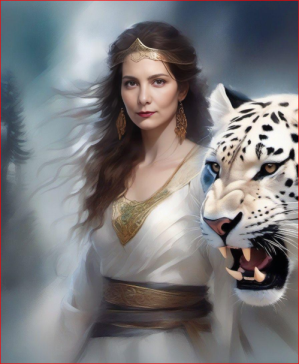
Autor: Simona Elena Iacob

  • Why it’s important to help lost spirits cross over into their rightful realm?

    Why it’s important to help lost spirits cross over into their rightful realm?

    Helping lost spirits cross over into their rightful realm is significant for several reasons, touching on both spiritual beliefs and emotional well-being. In various spiritual traditions and beliefs, it is thought that spirits can become „lost“ or „stuck“ between the physical world and the afterlife for a variety of reasons, such as unfinished business, emotional attachment, trauma, or confusion about their passing. Guiding these spirits to their rightful realm is seen as an act of compassion, spiritual responsibility, and healing. Here are some key reasons why this practice is important:

    1. Restoring Peace for the Spirit

    • Closure and Transition: Lost spirits may feel confused, trapped, or unable to move on due to unresolved emotional or psychological issues. Helping them cross over allows them to find peace and transition to the next stage of their journey, whether that’s a spiritual afterlife, reincarnation, or integration with the universal energy.
    • Freedom from Suffering: Many traditions believe that when spirits are trapped, they experience pain, confusion, or even despair. Assisting them in crossing over releases them from this liminal state and grants them the freedom to exist in a realm where they belong.

    2. Maintaining Balance Between Worlds

    • Energy Cleansing: Spirits that have not crossed over can contribute to energetic disturbances in the physical world. These disturbances can manifest as emotional, psychological, or even physical imbalances for living individuals. Helping spirits cross over helps to clear these energies, restoring harmony in the environment.
    • Preventing Negative Attachments: Lost spirits may unknowingly attach themselves to places, objects, or people, influencing their emotions, thoughts, or behaviors. Assisting spirits in crossing over prevents this from happening, ensuring that the living can continue their lives without undue interference from spiritual energies.

    3. Spiritual Growth and Compassion

    • An Act of Compassion: Helping lost spirits is often seen as a compassionate act, demonstrating care for the soul’s journey. Many spiritual traditions emphasize the importance of love, compassion, and guidance for all beings, including those who have passed. By helping these spirits, individuals are participating in a cycle of healing and love.
    • Personal Growth for the Living: The process of guiding a spirit can also foster personal spiritual growth. It requires emotional sensitivity, a heightened awareness of the spiritual realm, and the practice of empathy. By engaging in this practice, individuals deepen their understanding of life, death, and the interconnectedness of all beings.

    4. Healing for the Living

    • Emotional and Psychological Healing: Often, spirits that are stuck may be tied to unresolved emotional trauma or relationships with those still living. Helping these spirits cross over can offer closure for the living, bringing peace and healing to those who may have been affected by their lingering presence.
    • Strengthening Connections to Loved Ones: In some cases, helping a spirit cross over can heal the bond between the spirit and their loved ones on Earth, providing a sense of closure and allowing both parties to move forward on their respective journeys.

    5. Respect for the Natural Cycle of Life and Death

    • Upholding Spiritual Order: In many cultures, there is a belief in the natural order of life, death, and the afterlife. When spirits are unable to transition properly, this order is disrupted. Helping them cross over is seen as restoring the natural cycle and honoring the sanctity of life and death.
    • Spiritual Responsibility: In certain spiritual practices, it is believed that humans have a role in ensuring that spirits transition properly. This responsibility is viewed as part of the interconnectedness of all beings, where humans, spirits, and the divine or universal energies coexist and support each other in their journeys.

    6. Preventing Hauntings or Negative Phenomena

    • Avoiding Unwanted Spiritual Activity: Spirits that remain lost or confused may unintentionally cause disruptions in the physical world, which can manifest as hauntings, poltergeist-like activity, or simply a persistent feeling of unrest. By guiding these spirits to their rightful realm, these disturbances can be alleviated, providing peace for both the spirit and the living.
    • Protecting the Energetic Balance of Spaces: Some believe that when spirits remain in a certain location for too long, they can affect the energy of the place itself, causing feelings of heaviness or discomfort. Helping spirits move on helps to restore the natural energetic balance of spaces, contributing to the overall well-being of those who live or work there.

    7. Fulfilling Unfinished Business

    • Resolving Issues from Life: Many lost spirits are said to linger because they have unfinished business or unresolved emotions from their life on Earth. Helping them transition allows them to find resolution, whether it’s through forgiveness, acknowledgment, or release from earthly concerns.
    • Aiding in Their Spiritual Evolution: For those who believe in reincarnation or spiritual evolution, helping a spirit cross over can be seen as assisting them in progressing to the next phase of their journey, allowing them to continue evolving and learning in the afterlife or future incarnations.

    Helping lost spirits cross over is about bringing peace and balance to both the spiritual and physical worlds. It allows spirits to move beyond their suffering, frees them from lingering attachments to the material world, and provides healing for the living. By honoring the natural cycles of life and death, practicing compassion, and maintaining the energetic harmony between realms, this act becomes not only a service to the spirits but also a way to enhance spiritual growth and emotional well-being for all involved.

  • „A fi sau a nu fi ceea ce pare a fi”…

    „A fi sau a nu fi ceea ce pare a fi”…

    „A fi sau a nu fi ceea ce pare a fi” ridică o întrebare filozofică profundă despre aparență versus esență, despre cine suntem în realitate față de cum ne prezentăm lumii sau cum ne percep ceilalți. Aceasta ne provoacă să reflectăm asupra diferenței dintre identitatea noastră interioară și masca socială pe care o purtăm, fie din necesitate, fie din dorința de a ne adapta la așteptările altora.

    1. Apariția și esența

    • Apariția: Reprezintă modul în care suntem percepuți de alții – ceea ce părem a fi. Aceste aparențe sunt influențate de cum ne prezentăm, cum ne comportăm și cum alții aleg să ne vadă. În era digitală, acest lucru este amplificat prin rețelele de socializare, unde imaginea personală este adesea construită și atent curată.
    • Esența: Este identitatea noastră profundă, cine suntem cu adevărat, dincolo de măști și aparențe. Esența se referă la gândurile, emoțiile și valorile noastre autentice, acea parte din noi care rămâne constantă, chiar și atunci când contextul social se schimbă.

    2. Presiunea de a părea ceva ce nu suntem

    • Societatea și conformismul: Adesea, suntem presați de societate să ne conformăm anumitor norme sau standarde. Acest lucru poate duce la o disonanță între cine suntem în mod autentic și ceea ce pare să fie conform așteptărilor. De multe ori, oamenii ascund părți din sine pentru a se potrivi într-o imagine acceptată sau dorită.
    • Frica de judecată: A nu părea ceea ce suntem în esență poate fi rezultatul fricii de a fi judecați, respinși sau neînțeleși. Într-o lume în care aparențele sunt valorizate, a-ți arăta adevăratul sine poate fi considerat un risc.

    3. Autenticitatea versus falsitatea

    • A fi autentic: Înseamnă să îți accepți și să îți exprimi esența, indiferent de ceea ce așteaptă ceilalți de la tine. Autenticitatea implică onestitate cu sine și cu ceilalți, o deschidere de a arăta atât vulnerabilitățile, cât și punctele forte.
    • A fi ceea ce pare a fi: Uneori, oamenii aleg să se prezinte într-un fel diferit de cine sunt cu adevărat, fie din dorința de a impresiona, fie din nevoia de a se proteja emoțional. Aceasta poate duce la relații superficiale sau la pierderea conexiunii cu sinele autentic.

    4. Filozofia aparenței și a esenței

    • Platon și lumea ideilor: În filozofia lui Platon, el vorbește despre o distincție între lumea aparențelor (ceea ce vedem și percepem cu simțurile noastre) și lumea ideilor (esențele adevărate și neschimbătoare ale lucrurilor). Această viziune sugerează că aparențele nu reflectă întotdeauna realitatea, ci doar o imagine imperfectă a acesteia.
    • Shakespeare și Hamlet: În celebra frază „A fi sau a nu fi”, din monologul lui Hamlet, personajul reflectează asupra existenței și a suferinței, dar și asupra dualității între esență și aparență. Într-o altă piesă, „Cum vă place,” Shakespeare explorează de asemenea tema „lumea este o scenă,” unde toți joacă roluri. A fi ceea ce pare a fi devine o chestiune de teatru social.

    5. Efectele incongruenței dintre esență și aparență

    • Confuzie și neînțelegeri: Când cineva nu este ceea ce pare a fi, acest lucru poate duce la neînțelegeri și confuzie în relațiile cu ceilalți. Oamenii creează așteptări pe baza aparențelor, iar când acestea nu sunt aliniate cu realitatea, rezultatele pot fi dezamăgitoare.
    • Pierderea sinelui: Dacă ne concentrăm prea mult pe a părea ceea ce credem că ar trebui să fim, putem pierde contactul cu esența noastră. Aceasta poate duce la sentimente de alienare, confuzie internă și, în final, la o pierdere a sensului propriei identități.

    6. Cum să trăiești autentic

    • Reflectă asupra valorilor tale: Pentru a trăi în armonie cu esența ta, este important să îți cunoști valorile și să încerci să îți modelezi viața în jurul lor, în loc să urmezi doar așteptările externe.
    • Îmbrățișează vulnerabilitatea: A fi autentic presupune să accepți faptul că nu vei plăcea tuturor și că vulnerabilitatea ta poate fi o forță. Acceptarea acestor aspecte este cheia pentru a trăi conform cu cine ești cu adevărat, nu cu ceea ce pare a fi cel mai acceptabil social.

    „A fi sau a nu fi ceea ce pare a fi” este o întrebare care te provoacă să reflectezi asupra autenticității tale. Într-o lume a aparențelor, este ușor să cazi în capcana de a te prezenta într-un fel care nu reflectă cine ești cu adevărat. Alegerea de a trăi autentic, în concordanță cu esența ta, poate fi dificilă, dar este singura cale către o viață împlinită și plină de sens.

  • Fear of loneliness or fear of being alone with yourself?

    Fear of loneliness or fear of being alone with yourself?

    The fear of loneliness and the fear of being alone with yourself are related but subtly different concepts, both of which can have a profound impact on one’s emotional and mental well-being.

    1. Fear of Loneliness:

    The fear of loneliness refers to the anxiety or dread of being without companionship or social interaction. It stems from the need for human connection, belonging, and validation. Loneliness is a natural feeling when someone feels disconnected from others, even when surrounded by people. This fear is often tied to concerns like:

    • Social rejection: Feeling left out or excluded by peers, family, or society.
    • Isolation: The absence of meaningful relationships or connections.
    • Abandonment: The fear that people will leave or withdraw love and support.

    This type of fear drives people to seek external relationships and social circles because they associate their happiness, security, and sense of self-worth with being connected to others.

    Symptoms of fear of loneliness may include:

    • Constant need for social interaction.
    • Anxiety in situations where one might be alone or unsupported.
    • Difficulty being single or without a partner.
    • Feelings of inadequacy when not socially engaged.

    2. Fear of Being Alone with Yourself:

    The fear of being alone with yourself, on the other hand, is more about facing your own thoughts, feelings, and inner world without distractions. It isn’t simply about not having others around but involves discomfort with self-reflection, introspection, or confronting unresolved emotions. This fear can arise from:

    • Avoidance of unresolved trauma or difficult emotions.
    • Fear of self-judgment or criticism: Worrying about one’s own negative thoughts or internal dialogue when left alone.
    • Lack of self-awareness or discomfort with solitude: People who haven’t developed a strong sense of self might feel uneasy when confronted with their inner world.

    This type of fear may manifest as a constant need for distraction, whether through social interaction, entertainment, or technology, to avoid facing inner silence or discomfort.

    Symptoms of fear of being alone with yourself may include:

    • Difficulty sitting still or being in quiet environments.
    • Need for constant stimulation (TV, phone, internet, etc.).
    • Anxiety when there’s „nothing to do“ or time for reflection.
    • Feelings of emptiness or restlessness when alone.

    Differences Between the Two Fears:

    • Fear of loneliness is more outwardly focused, rooted in the need for connection, validation, and support from others.
    • Fear of being alone with yourself is inwardly focused, tied to the discomfort of self-exploration, inner silence, and unresolved inner conflicts.

    Overcoming These Fears:

    Both fears can be addressed with similar strategies, though their specific causes may require different types of introspection.

    1. Mindfulness and Meditation: These practices help develop comfort with inner silence and teach you to observe thoughts without judgment. Over time, they reduce the fear of self-reflection and help you become more aware of your emotional state.
    2. Self-Love and Acceptance: Cultivating a sense of self-worth and compassion can diminish the fear of facing yourself. Self-acceptance helps you see that you’re worthy, regardless of external validation.
    3. Deepening Relationships: If the fear of loneliness is prevalent, building meaningful and authentic relationships can help. It’s important to nurture connections where you feel genuinely seen and supported.
    4. Therapy and Counseling: For deeper issues, such as unresolved trauma or a pervasive fear of abandonment, professional therapy can be incredibly beneficial. A therapist can help guide you through the emotional work needed to confront these fears.
    5. Journaling and Reflection: Regular self-reflection through journaling can allow you to become more comfortable with your thoughts and emotions, making solitude less threatening.
    6. Alone Time as Growth: Reframe alone time as an opportunity for personal growth and self-discovery, rather than something to be feared. Spending time with yourself can strengthen your independence and emotional resilience.

    The fear of loneliness is about missing external connections, while the fear of being alone with yourself stems from discomfort with your inner world. Addressing these fears often involves fostering self-awareness, emotional resilience, and finding balance between healthy social interaction and a peaceful relationship with yourself.

  • Orgonics und radionische Geräte – Schutzschild gegen HAARP, Strahlung, Angriffe mit psychotronischen Geräten

    Orgonics und radionische Geräte – Schutzschild gegen HAARP, Strahlung, Angriffe mit psychotronischen Geräten

    Orgonenergie, radionische Geräte und ähnliche Technologien werden in esoterischen und alternativen Kreisen oft als Schutz gegen elektromagnetische Strahlung, psychotronische Angriffe und Systeme wie das HAARP-Projekt angesehen. Befürworter dieser Theorien glauben, dass solche Geräte dazu beitragen können, den menschlichen Körper und Geist vor schädlichen äußeren Einflüssen zu schützen. Es ist jedoch wichtig zu betonen, dass die wissenschaftliche Gemeinschaft die Wirksamkeit dieser Geräte nicht anerkennt, und viele dieser Konzepte werden als pseudowissenschaftlich eingestuft.

    1. Orgonenergie und Orgonite

    Der Begriff Orgonenergie wurde in den 1930er Jahren vom österreichischen Psychoanalytiker Wilhelm Reich geprägt. Reich beschrieb Orgonenergie als eine universelle Lebensenergie, die in der Atmosphäre existiere und Einfluss auf das menschliche Wohlbefinden habe. Orgonit ist ein Material, das aus einer Mischung von organischen und anorganischen Materialien besteht, normalerweise Harz, Metallspäne und Quarzkristalle. Diese Kombination soll die Fähigkeit haben, negative Energie, wie elektromagnetische Strahlung oder schädliche Frequenzen, in positive Energie umzuwandeln.

    Funktionen von Orgonit:

    • Energetischer Schutz: Orgonit wird als Schutzschild gegen schädliche Frequenzen angesehen, indem es elektromagnetische Strahlung (EMF) umwandelt und das bioenergetische Feld (Aura) des Menschen stärkt.
    • Neutralisierung von Elektrosmog: Orgonit wird oft neben elektronischen Geräten platziert, um die Auswirkungen von WLAN, 5G und anderen Quellen von Strahlung zu minimieren.
    • Harmonisierung von Energie: Orgonit soll „schlechte“ Energie (sogenannte „tote Orgonenergie“) in „lebendige“ und positive Orgonenergie umwandeln, wodurch es hilft, das energetische Umfeld eines Raums oder eines Individuums zu verbessern.

    2. Radionische Geräte

    Radionik ist eine Form der alternativen Heilkunde, bei der es um die Übertragung von Energie oder Schwingungen auf den menschlichen Körper geht. Es wird geglaubt, dass radionische Geräte Krankheiten diagnostizieren und heilen können, indem sie auf das energetische Feld des Patienten einwirken. Diese Geräte verwenden oft eine Kombination von Schaltkreisen, Symbolen, Zahlen und manchmal auch Kristallen, um Frequenzen zu erzeugen, die dann angeblich auf den Körper einwirken.

    Radionische Schutzfunktionen:

    • Schutz vor psychotronischen Angriffen: In esoterischen Kreisen wird geglaubt, dass psychotronische Waffen oder Geräte (wie HAARP oder militärische Systeme) das Bewusstsein manipulieren können. Radionische Geräte sollen diese Energien abschirmen oder neutralisieren, indem sie das bioenergetische Feld schützen.
    • Schwingungsheilung: Radionische Geräte sollen dabei helfen, Schwingungsstörungen im energetischen System des Körpers zu erkennen und zu korrigieren, indem sie „heilende Frequenzen“ übertragen.
    • Abwehr von EMF und Strahlung: Manche radionische Geräte sollen in der Lage sein, elektromagnetische Strahlung, wie sie von Mobiltelefonen, Computern oder HAARP-ähnlichen Antennen ausgestrahlt wird, abzuwehren oder in harmlose Energie umzuwandeln.

    3. HAARP und psychotronische Geräte

    Das HAARP-Projekt (High-Frequency Active Auroral Research Program) ist ein wissenschaftliches Forschungsprojekt zur Untersuchung der Ionosphäre, das von vielen Verschwörungstheorien umgeben ist. Kritiker und Befürworter von Verschwörungstheorien behaupten, dass HAARP möglicherweise zur Wetterkontrolle, Bewusstseinsmanipulation und zum psychotronischen Angriff (das bedeutet die Beeinflussung des menschlichen Geistes durch elektromagnetische Strahlen oder Wellen) verwendet wird.

    Psychotronische Waffen und Schutzkonzepte:

    • Psychotronische Waffen sind hypothetische Waffen, die elektromagnetische Felder oder Schwingungen nutzen sollen, um das menschliche Bewusstsein oder Verhalten zu beeinflussen. Diese Theorien sind jedoch wissenschaftlich nicht bewiesen.
    • Schutzstrategien: Befürworter von Orgonit und radionischen Geräten argumentieren, dass diese Technologien das Individuum vor solchen Angriffen schützen können, indem sie das persönliche Energiefeld stärken und Frequenzen umwandeln oder blockieren, die das Bewusstsein beeinflussen könnten.

    4. Orgonit und radionische Geräte als Schutzschild

    Anwender von Orgonit und radionischen Geräten behaupten, dass diese Technologien als energetische Schutzschilde dienen können, indem sie das energetische Feld des Menschen vor negativen Einflüssen wie Strahlung, elektromagnetischen Frequenzen oder psychotronischen Angriffen schützen. Hier sind einige der angeblichen Schutzmechanismen:

    • Schutz vor HAARP-Angriffen: Einige Menschen glauben, dass HAARP in der Lage ist, bewusstseinsmanipulative Frequenzen auszusenden, die den menschlichen Geist beeinflussen könnten. Orgonit oder radionische Geräte sollen die Energie dieser Frequenzen neutralisieren oder blockieren.
    • EMF-Schutz: Viele Benutzer von Orgonit platzieren diese Geräte in ihren Häusern oder tragen sie am Körper, um sich vor den schädlichen Auswirkungen von Elektrosmog (wie 5G und WLAN) zu schützen.
    • Energetische Reinigung: Es wird angenommen, dass Orgonit und radionische Geräte die Atmosphäre von negativen Energien reinigen können, indem sie das energetische Feld eines Raumes oder einer Person ausbalancieren.

    5. Kritik und wissenschaftliche Perspektive

    Orgonit, radionische Geräte und ähnliche Technologien werden von einigen Menschen als Schutz vor elektromagnetischer Strahlung, HAARP und psychotronischen Angriffen verwendet. Diese Geräte sollen das Energiefeld des Menschen stärken und negative Frequenzen neutralisieren. Wissenschaftlich ist die Wirksamkeit dieser Technologien jedoch nicht nachgewiesen, und viele dieser Theorien werden als pseudowissenschaftlich angesehen. Wenn Menschen jedoch das Gefühl haben, dass sie dadurch geschützt oder beruhigt werden, kann dies zumindest subjektive positive Effekte haben, auch wenn die wissenschaftlichen Beweise fehlen.

  • Crystals, Ethereal crystals and Crystallotherapy

    Crystals, Ethereal crystals and Crystallotherapy

    Crystals and crystallotherapy (also known as crystal healing) involve using the natural energy of crystals and gemstones to promote physical, emotional, and spiritual healing. This practice is rooted in the belief that crystals carry specific vibrations and frequencies that can interact with the energy fields (or auras) around the human body, facilitating balance, alignment, and healing.

    Crystals: An Overview

    Crystals are naturally occurring solid substances with a defined geometric structure. Each crystal is believed to resonate with specific energetic frequencies, determined by its color, composition, and atomic structure. These vibrational properties are thought to interact with the human energy field or chakras (energy centers), promoting harmony and well-being.

    Some common crystals and their associated properties include:

    • Amethyst: Associated with calmness, protection, and spiritual awareness. Often used to help alleviate anxiety and stress.
    • Rose Quartz: Known as the stone of unconditional love, it is believed to foster self-love, emotional healing, and compassion.
    • Clear Quartz: Referred to as the „master healer“ because it can be used for a wide range of issues and is said to amplify energy and intention.
    • Citrine: Known for attracting prosperity, abundance, and positive energy. It is also linked to boosting self-confidence and personal power.
    • Black Tourmaline: A stone used for grounding and protection, believed to ward off negative energy or electromagnetic stress.


    Ethereal crystals in crystallotherapy refer to the concept of working with the energetic essence or vibration of a crystal without the need for the physical stone itself. In this form of healing, practitioners believe they can access and channel the energy of a crystal directly, even when they don’t have the actual physical crystal on hand. This concept is often linked to spiritual or energy-based healing practices like Reiki, quantum healing, and other energy modalities where the emphasis is placed on the non-physical energy realms.

    What Are Ethereal Crystals?

    Ethereal crystals are seen as the energy counterparts or the higher-dimensional frequencies of physical crystals. Instead of holding or placing a physical crystal on the body, the healer may energetically call in the vibration or essence of that crystal to channel its healing properties.

    This concept arises from the belief that everything in the universe exists in multiple dimensions or frequencies, including physical objects like crystals. The energetic or ethereal aspect of a crystal is thought to exist in higher dimensions, and trained healers or sensitive individuals can tap into this energy without needing the stone physically present.

    How Ethereal Crystals Work in Crystallotherapy

    In crystallotherapy, when using ethereal crystals, the practitioner is believed to connect with the energy grid or vibrational field of a specific crystal. The method relies heavily on intention, focus, and a deep connection to the energy frequencies of the crystal, rather than its physical properties.

    Here’s a general breakdown of how it works:

    1. Intention: The practitioner sets a clear intention for the type of crystal energy they want to connect with. This could be for grounding, protection, love, or healing, based on the crystal’s known energetic properties.
    2. Energy Channeling: The healer taps into the ethereal energy of the crystal, usually through visualization, meditation, or energy work techniques. They may „call in“ the energy of a specific crystal, just as they might invoke energy from spirit guides or angels.
    3. Energetic Placement: The practitioner then „places“ or directs the ethereal crystal’s energy to specific areas of the client’s body or aura, typically focusing on chakras or areas of imbalance.
    4. Amplification and Healing: Once the ethereal crystal’s energy is applied, it is believed to harmonize and rebalance the person’s energetic field in a similar way to how a physical crystal would be used in a traditional crystallotherapy session.

    Ethereal Crystals and Reiki

    A common practice in energy healing modalities such as Reiki is to use ethereal crystals. Many Reiki practitioners integrate the use of ethereal crystals into their sessions by attuning themselves to the energy of certain crystals and calling in that energy to enhance the healing process.

    For instance:

    • During a Reiki session, a practitioner might invoke the ethereal energy of amethyst to promote emotional calm or spiritual insight, or rose quartz for heart-centered healing and self-love.
    • The idea is that Reiki energy, which is universal life force energy, can work alongside the ethereal vibrations of crystals to increase healing potential.

    Benefits of Using Ethereal Crystals

    Some healers and practitioners advocate for the use of ethereal crystals for several reasons:

    1. Accessibility: Ethereal crystals can be used without needing to carry around or purchase physical stones. This is particularly useful for individuals who may not have access to rare or expensive crystals.
    2. Energy Amplification: Some believe that working directly with the ethereal or energetic aspect of a crystal can be more potent than the physical stone itself. The idea is that the energetic form is purer and not limited by the constraints of the material world.
    3. Versatility: A single practitioner can energetically call upon multiple crystals during a session without needing to have the physical stones nearby, allowing for more flexibility in healing work.
    4. Non-Physical Healing: Ethereal crystals are especially beneficial for remote or distant healing, where the practitioner sends healing energy to someone who is not physically present. Since everything is done energetically, the practitioner can access a wide range of crystal energies from anywhere.

    Types of Crystals Commonly Used in Ethereal Form

    Almost any crystal that is used in physical crystallotherapy can be invoked in ethereal form. Some common crystals and their healing intentions include:

    • Amethyst (Ethereal): For spiritual clarity, protection, and calming emotional stress.
    • Clear Quartz (Ethereal): For amplifying intentions, clearing negative energy, and promoting overall balance.
    • Rose Quartz (Ethereal): To bring in love, compassion, and emotional healing.
    • Black Tourmaline (Ethereal): For grounding and protection against negative or unwanted energies.
    • Lapis Lazuli (Ethereal): For enhancing intuition, wisdom, and communication.
    • Citrine (Ethereal): For abundance, prosperity, and boosting confidence.

    Ethereal Crystal Healing and Chakras

    Ethereal crystal healing often focuses on the chakras, the major energy centers in the body. The healer might visualize or channel specific ethereal crystals into each chakra to restore balance and promote healing. For example:

    • Root Chakra: The practitioner might use the energy of red jasper or black tourmaline to ground and stabilize the energy.
    • Heart Chakra: The ethereal energy of rose quartz or green aventurine might be invoked to open and heal emotional wounds.
    • Crown Chakra: Amethyst or clear quartz energy could be used to facilitate spiritual connection and enlightenment.

    Training and Attunement to Ethereal Crystals

    Some energy healers undergo specific attunements to learn how to work with ethereal crystals. These attunements are designed to help the practitioner connect with and recognize the energetic signatures of various crystals. During an attunement, a healer may be guided by an instructor or spirit guide to tune in to the unique frequency of different crystals, thereby enhancing their ability to access and channel these energies.

    Does It Work?

    While there is little scientific evidence to support the use of ethereal crystals, proponents of the practice argue that its effectiveness lies in intention, belief, and the power of subtle energy fields. The idea is that whether or not the energy of a crystal can be measured, focusing one’s intention on healing can have real emotional and psychological benefits, much like meditation, visualization, or other energy-based practices.

    Ethereal crystals are an advanced concept in energy healing, suggesting that the essence or energetic vibration of a crystal can be tapped into without needing the physical stone. Practitioners use these ethereal forms of crystals to balance energy, heal emotional wounds, and enhance spiritual development. Whether used in conjunction with traditional crystallotherapy or as part of broader healing practices like Reiki, ethereal crystals offer a versatile and accessible way to engage with the subtle energy realms for healing purposes.

    What is Crystallotherapy?

    Crystallotherapy is an alternative healing practice that uses crystals and gemstones to address imbalances and ailments. Practitioners of crystallotherapy often place crystals on or around the body, targeting specific energy points or chakras to restore balance. It is important to note that while many believe in the efficacy of crystal healing, it is a complementary practice and not a replacement for medical treatments.

    How Does Crystal Healing Work?

    Crystallotherapy works based on the idea that everything in the universe, including the human body and mind, is made up of energy. Just as we are composed of atoms vibrating at certain frequencies, so too are crystals. When a crystal is placed on or near the body, its energy interacts with the individual’s energy field (aura), and the specific properties of the crystal can help to realign, balance, or heal.

    Here’s a basic overview of how crystallotherapy is believed to work:

    1. Chakra Alignment: Crystals are often used to balance the body’s energy centers, known as chakras. Each chakra is associated with specific emotional, physical, and spiritual states. By placing specific crystals on the chakras, it is believed that blockages or imbalances can be cleared.
    2. Vibrational Healing: Crystals vibrate at specific frequencies that can help elevate or stabilize the energy in a person’s body. This helps to bring balance, healing, and calm.
    3. Amplifying Intentions: Many people use crystals to amplify their intentions, such as healing, protection, love, or prosperity. Clear quartz, for example, is commonly used to magnify these intentions.
    4. Emotional Healing: Crystals are also used to release emotional trauma or stagnant energy, helping individuals process and heal emotional wounds.

    Types of Crystals and Their Healing Properties

    Different crystals are thought to have specific healing properties. Here are some commonly used stones in crystallotherapy and their believed benefits:

    • Amethyst: A calming crystal often used for stress relief, anxiety, and spiritual growth. It is thought to promote mental clarity and intuition.
    • Rose Quartz: Known for its association with love, this pink crystal is used to foster love, compassion, and forgiveness. It is believed to heal emotional wounds and open the heart chakra.
    • Citrine: Linked to prosperity, abundance, and personal power. Citrine is used to enhance confidence, creativity, and self-esteem.
    • Lapis Lazuli: Associated with wisdom, truth, and insight. It is used to enhance intellectual abilities and promote communication and self-expression.
    • Selenite: A high-vibration stone used for spiritual cleansing, purification, and connecting with higher consciousness.
    • Obsidian: A protective stone that is believed to shield against negativity and emotional blockages.

    Crystallotherapy Techniques

    Here are some common crystallotherapy practices:

    1. Placing Crystals on the Body: During a crystal healing session, the practitioner may place various crystals on the body, usually corresponding to the chakras or energy points. For example, amethyst might be placed on the third eye (forehead) for spiritual insight, while rose quartz might be placed on the heart to promote emotional healing.
    2. Crystal Grids: Crystal grids involve arranging crystals in geometric patterns to amplify their energy. These grids are often set with a specific intention, such as healing, protection, or manifesting goals.
    3. Wearing Crystals: Many people wear crystals as jewelry (e.g., necklaces, bracelets, rings) to keep the stones‘ healing properties close to them throughout the day.
    4. Meditation with Crystals: Holding or focusing on a crystal during meditation is thought to enhance focus, deepen relaxation, and aid in spiritual growth. Crystals such as clear quartz or amethyst are commonly used in meditation.
    5. Elixirs: Some practitioners create crystal elixirs by placing crystals in water (making sure they are safe for contact with water) and letting the crystal infuse the water with its energy. This water is then consumed or used for other healing purposes.

    Chakras and Crystals

    In crystallotherapy, the seven main chakras in the body are associated with different crystals:

    • Root Chakra (Muladhara): Grounding and stability; associated with red or black stones like black tourmaline or red jasper.
    • Sacral Chakra (Svadhisthana): Creativity and passion; associated with orange stones like carnelian.
    • Solar Plexus Chakra (Manipura): Personal power and confidence; associated with yellow stones like citrine or yellow calcite.
    • Heart Chakra (Anahata): Love and compassion; associated with green or pink stones like rose quartz or green aventurine.
    • Throat Chakra (Vishuddha): Communication and truth; associated with blue stones like blue lace agate or lapis lazuli.
    • Third Eye Chakra (Ajna): Intuition and insight; associated with indigo stones like amethyst or sodalite.
    • Crown Chakra (Sahasrara): Spiritual connection and enlightenment; associated with clear or purple stones like clear quartz or selenite.

    Scientific Perspective

    From a scientific viewpoint, there is no direct evidence to suggest that crystals have measurable healing properties. The effects attributed to crystal healing may be due to the placebo effect or psychological factors, such as the calming influence of focusing on the crystals or setting an intention for well-being.

    However, many individuals report experiencing positive effects from crystallotherapy, which could be due to the power of belief, intention, and mindfulness associated with the practice.

    Crystallotherapy offers a holistic approach to healing by utilizing the vibrational energy of crystals to promote physical, emotional, and spiritual well-being. While its benefits are largely anecdotal and not scientifically proven, many people find comfort, healing, and empowerment through the use of crystals. Whether for meditation, energy alignment, or emotional healing, crystals remain a popular tool in spiritual practices around the world.


  • Das Numerogramm und seine Rolle bei der Selbsterkenntnis

    Das Numerogramm und seine Rolle bei der Selbsterkenntnis

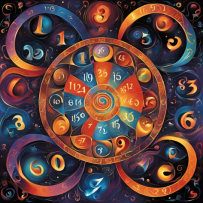
    Das Numerogramm ist ein Werkzeug, das in der Numerologie verwendet wird, um die tieferen Aspekte der Persönlichkeit, der Lebenswege und der Seelenaufgaben eines Menschen zu erkennen. Numerologie ist die Lehre von den symbolischen Bedeutungen der Zahlen und deren Einfluss auf das Leben und die Persönlichkeit eines Individuums. Ein Numerogramm basiert auf der Berechnung und Interpretation von Zahlen, die aus dem Geburtsdatum und dem Namen abgeleitet werden. Es wird oft als ein spirituelles oder esoterisches System angesehen, das zur Selbsterkenntnis und zur persönlichen Entwicklung beiträgt.

    Was ist ein Numerogramm?

    Ein Numerogramm ist eine grafische oder numerische Darstellung, die aus den Zahlen einer Person berechnet wird. Es gibt verschiedene Systeme in der Numerologie, aber im Allgemeinen konzentriert sich das Numerogramm auf Zahlen wie:

    • Lebenszahl (auch Lebenswegzahl genannt): Diese wird aus dem Geburtsdatum berechnet und steht für den grundlegenden Lebensweg, die Herausforderungen und die Ziele im Leben.
    • Schicksalszahl (oder Namenszahl): Diese wird aus den Buchstaben des Namens berechnet und zeigt die Fähigkeiten, Potenziale und Charakterzüge einer Person.
    • Seelenzahl: Diese Zahl drückt aus, was jemand tief in seinem Inneren fühlt und wie er seine spirituellen Bedürfnisse versteht.
    • Persönlichkeitszahl: Diese Zahl repräsentiert das äußere Bild, das eine Person in der Welt projiziert, wie sie von anderen gesehen wird.
    • Schicksalszyklen und Lebenslektionen: Diese Zahlen helfen, die großen Themen und Lektionen in verschiedenen Phasen des Lebens zu verstehen.

    Die Rolle des Numerogramms bei der Selbsterkenntnis

    Das Numerogramm hilft einem Menschen dabei, seine verborgenen Potenziale, Stärken, Schwächen und Lebensaufgaben zu erkennen. Es bietet eine strukturierte Möglichkeit, Aspekte der eigenen Persönlichkeit zu reflektieren und zu verstehen. Hier sind einige Möglichkeiten, wie das Numerogramm zur Selbsterkenntnis beitragen kann:

    1. Erkennen des Lebenswegs: Durch die Berechnung der Lebenszahl kann eine Person tiefe Einsichten in ihre Lebensaufgabe und die Richtung erhalten, in die ihr Leben gehen soll. Es hilft, größere Lebensentscheidungen zu reflektieren und das Schicksal besser zu verstehen.
    2. Verstehen der eigenen Persönlichkeit: Die Schicksals- und Seelenzahl geben Aufschluss über die inneren und äußeren Aspekte der Persönlichkeit. Sie können auf die tiefen Bedürfnisse hinweisen, die eine Person im Inneren verspürt, und gleichzeitig auf das Bild, das sie der Außenwelt zeigt.
    3. Bewältigung von Herausforderungen: Durch das Verständnis der numerologischen Muster kann eine Person lernen, wie sie mit Herausforderungen und Hindernissen in ihrem Leben umgehen soll. Die Erkenntnis bestimmter karmischer Lektionen oder wiederkehrender Muster hilft dabei, bewusstere Entscheidungen zu treffen.
    4. Entwicklung der Intuition und Spiritualität: Ein Numerogramm kann helfen, den Kontakt mit der eigenen Intuition und den spirituellen Bedürfnissen zu fördern. Zahlen, die spirituell bedeutsam sind, können Hinweise auf die spirituelle Reise einer Person geben und dabei unterstützen, tiefere Verbindungen zu entwickeln.
    5. Förderung von Beziehungen: Die Kenntnis der eigenen Zahlen und der Zahlen anderer Menschen kann helfen, Beziehungen zu verstehen und zu verbessern. Man kann lernen, warum bestimmte Menschen bestimmte Rollen im eigenen Leben spielen und wie man harmonischer mit anderen interagieren kann.
    6. Selbstakzeptanz und Wachstum: Das Numerogramm zeigt nicht nur Stärken, sondern auch Schwächen und Herausforderungen. Diese Erkenntnisse können helfen, sich selbst besser zu akzeptieren und bewusst an der eigenen Entwicklung zu arbeiten.

    Beispiele für die Bedeutung bestimmter Zahlen

    Jede Zahl im Numerogramm hat eine eigene Bedeutung, die mit bestimmten Persönlichkeitsmerkmalen, Talenten und Herausforderungen verbunden ist. Hier einige Beispiele:

    • Zahl 1: Diese Zahl steht für Unabhängigkeit, Führung, Selbstvertrauen und Durchsetzungsvermögen. Menschen mit der Zahl 1 neigen dazu, Pioniere und Initiatoren zu sein, aber sie müssen möglicherweise an Egoismus und Impulsivität arbeiten.
    • Zahl 2: Die Zahl 2 steht für Kooperation, Diplomatie und Sensibilität. Personen mit dieser Zahl sind oft gute Vermittler und arbeiten gerne im Team, können aber auch dazu neigen, Konflikte zu vermeiden und unsicher zu sein.
    • Zahl 3: Kreativität, Ausdruck und Kommunikation sind die Hauptthemen der Zahl 3. Menschen mit dieser Zahl sind oft künstlerisch veranlagt und genießen soziale Interaktionen. Sie können jedoch an Zerstreutheit oder mangelnder Disziplin leiden.
    • Zahl 4: Stabilität, Ordnung und Fleiß sind mit der Zahl 4 verbunden. Diese Menschen schätzen Struktur und Arbeitsethik, können aber manchmal zu rigide oder starr in ihrem Denken sein.
    • Zahl 5: Die Zahl 5 steht für Freiheit, Abenteuer und Wandel. Menschen mit dieser Zahl lieben es, neue Erfahrungen zu machen und ihre Freiheit zu genießen, neigen jedoch manchmal zu Unbeständigkeit oder Rastlosigkeit.
    • Zahl 6: Verantwortung, Fürsorge und Harmonie sind die Themen der Zahl 6. Diese Personen sind oft familienorientiert und darauf bedacht, anderen zu helfen, können aber auch zu Überverantwortung neigen.
    • Zahl 7: Spiritualität, Intuition und Weisheit sind die Kernaspekte der Zahl 7. Menschen mit dieser Zahl suchen oft nach tieferen Wahrheiten und neigen zur Selbstreflexion, können jedoch manchmal zu introvertiert oder distanziert wirken.
    • Zahl 8: Macht, Autorität und materielle Erfolge sind mit der Zahl 8 verbunden. Diese Menschen streben oft nach Erfolg und Kontrolle, müssen jedoch lernen, wie sie mit Macht und Verantwortung umgehen.
    • Zahl 9: Die Zahl 9 steht für Mitgefühl, Altruismus und Humanität. Menschen mit dieser Zahl haben oft den Wunsch, der Menschheit zu dienen und Gutes zu tun, können jedoch an Idealismus oder Selbstaufopferung leiden.

    Das Numerogramm als Weg zur Selbsterkenntnis

    Das Numerogramm bietet ein tiefgehendes Verständnis über die eigene Persönlichkeit und Lebensziele. Es ist ein Werkzeug zur Reflexion, das Menschen dabei unterstützt, bewusster zu leben, ihre Stärken und Schwächen zu erkennen und Harmonie in ihrem Leben zu schaffen. Die Numerologie und das Numerogramm können eine Ergänzung zu anderen Wegen der Selbsterkenntnis und persönlichen Entwicklung sein, indem sie einen einzigartigen Einblick in die symbolische Welt der Zahlen bieten.

  • Krafttiere im Schamanismus

    Krafttiere im Schamanismus

    Krafttiere im Schamanismus sind spirituelle Wesen oder Tiergeister, die in vielen schamanischen Traditionen als Beschützer, Führer und Lehrer betrachtet werden. Diese Tiere stehen für bestimmte Qualitäten und Energien, die den Menschen auf ihrem Lebensweg unterstützen. Der Glaube an Krafttiere ist tief in der schamanischen Praxis verwurzelt, besonders bei indigenen Kulturen auf der ganzen Welt, von den nordamerikanischen Ureinwohnern bis zu den sibirischen und südamerikanischen Schamanen.

    Was sind Krafttiere?

    Krafttiere sind symbolische Repräsentationen von Eigenschaften, die ein Mensch in seinem Leben braucht oder bereits besitzt. Sie können auf unterschiedliche Weise in das Leben eines Individuums treten:

    • Als spirituelle Führer: Sie helfen bei der Navigation durch schwierige Lebenssituationen oder Übergänge und unterstützen bei der Heilung und Transformation.
    • Schutz und Begleitung: Krafttiere beschützen den spirituellen Körper, stärken den physischen Körper und verleihen emotionale Stabilität.
    • Verbindung zur Natur: Im Schamanismus gilt die gesamte Natur als beseelt, und Tiere haben spezifische Energien und Weisheiten, die sie dem Menschen durch ihre Anwesenheit und ihre Symbolik mitteilen.

    Wie manifestieren sich Krafttiere?

    Krafttiere können durch verschiedene Arten und Weisen zu einem Menschen kommen, darunter:

    1. Träume: Tiere, die in Träumen erscheinen, können Botschaften übermitteln oder als spirituelle Führer auftreten.
    2. Schamanische Reisen: In der schamanischen Praxis begeben sich Menschen oft in Trancezustände, um auf eine „Reise“ in die spirituelle Welt zu gehen. Auf diesen Reisen können sie auf ihr Krafttier treffen, das ihnen Botschaften übermittelt oder sie auf ihrer Reise begleitet.
    3. Im alltäglichen Leben: Wenn ein bestimmtes Tier immer wieder in das Leben einer Person tritt (ob physisch oder symbolisch), kann dies ein Zeichen sein, dass dieses Tier eine besondere spirituelle Verbindung oder Bedeutung für die Person hat.
    4. Meditation und Visualisierungen: In vielen schamanischen Traditionen wird die Meditation genutzt, um sich mit dem eigenen Krafttier zu verbinden. In der Meditation können Menschen ihre innere Weisheit anzapfen und entdecken, welches Tier ihre Energie widerspiegelt.

    Die Bedeutung verschiedener Krafttiere

    Jedes Tier hat eine spezifische Bedeutung und trägt besondere Energien, die dem Menschen auf seinem Weg helfen können. Hier einige Beispiele für Krafttiere und ihre symbolischen Bedeutungen:

    • Wolf: Der Wolf steht oft für Führungsstärke, Loyalität und den Wert der Gemeinschaft. Er kann als Lehrer und Beschützer auftreten und hilft Menschen, sich mit ihrem inneren Rudel oder ihrer spirituellen Familie zu verbinden.
    • Adler: Der Adler symbolisiert Weisheit, Freiheit und Klarheit. Er fliegt hoch am Himmel und hat daher eine erweiterte Perspektive. Als Krafttier hilft der Adler, den Überblick zu behalten, größere Ziele zu verfolgen und spirituelle Freiheit zu erlangen.
    • Bär: Der Bär steht für Stärke, Mut und Heilung. Er wird oft als Beschützer und Heiler angesehen. Menschen, die sich mit dem Bären verbinden, lernen, innere Kraft zu entwickeln und Heilung durch innere Reflexion zu finden.
    • Schlange: Die Schlange steht für Transformation, Heilung und spirituelle Erneuerung. Da sie ihre Haut abstreift, symbolisiert sie den Prozess der Verwandlung und der Erneuerung des Lebens.
    • Pferd: Das Pferd steht für Freiheit, Reise und Abenteuer. Es verkörpert die Kraft, Hindernisse zu überwinden, und die Fähigkeit, auf der Reise des Lebens voranzukommen.
    • Eule: Die Eule ist ein Symbol der Weisheit und des Wissens. Sie kann uns dabei helfen, tiefere Wahrheiten zu erkennen und verborgene Informationen ans Licht zu bringen. Menschen mit der Eule als Krafttier haben oft eine starke Intuition.

    Wie man sein Krafttier findet

    Es gibt verschiedene schamanische Praktiken, um das eigene Krafttier zu finden:

    1. Schamanische Reise: In einer schamanischen Reise, oft begleitet von Trommeln oder Rasseln, begibt sich die Person in einen veränderten Bewusstseinszustand, um in die „untere Welt“ zu reisen, wo sie ihr Krafttier treffen kann.
    2. Traumdeutung: Auf die Träume zu achten, besonders wenn ein Tier immer wieder erscheint, kann ein Zeichen dafür sein, dass dieses Tier als spiritueller Führer wirkt.
    3. Meditation: Eine geführte Meditation, in der man sich vorstellt, in eine friedliche, natürliche Umgebung einzutreten und dort auf ein Tier zu treffen, kann helfen, das eigene Krafttier zu entdecken.
    4. Rituale und Zeremonien: Schamanische Rituale, die oft unter der Anleitung eines erfahrenen Schamanen durchgeführt werden, können auch dabei helfen, das Krafttier zu finden und sich mit ihm zu verbinden.

    Die Rolle des Krafttiers im Leben

    Sobald jemand sein Krafttier entdeckt hat, wird es oft als ständiger Begleiter gesehen. Es kann in schwierigen Zeiten herbeigerufen werden, um Stärke, Schutz oder Klarheit zu bieten. Viele Schamanen glauben, dass das Krafttier einem Menschen hilft, seine innere Energie zu verstehen und diese in Harmonie mit den Kräften der Natur zu bringen.

    • Schutz: Ein Krafttier kann als eine Form des Schutzes gegen negative Energien oder Einflüsse wirken. Es stärkt den physischen und emotionalen Körper und hilft dabei, negative Energien abzuwehren.
    • Führung und Weisheit: Krafttiere helfen dabei, wichtige Lebenslektionen zu lernen, indem sie ihre spezifischen Eigenschaften vermitteln, wie Mut, Geduld oder Anpassungsfähigkeit.
    • Selbstverwirklichung: Krafttiere unterstützen Menschen dabei, sich selbst besser zu verstehen und ihre wahren Fähigkeiten zu entfalten.

    Krafttiere spielen im Schamanismus eine zentrale Rolle, indem sie als Brücke zwischen der physischen und der spirituellen Welt dienen. Sie helfen dabei, persönliche Kraft, Weisheit und spirituelle Einsicht zu gewinnen. In vielen Kulturen ist die Verbindung zu einem Krafttier nicht nur eine spirituelle Erfahrung, sondern auch eine Form der Selbstentdeckung und Heilung.

  • Life of Pythagora

    Life of Pythagora

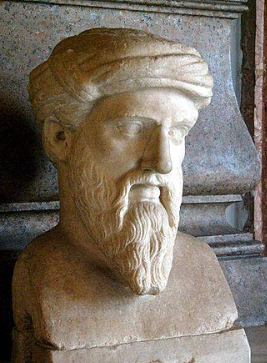
    Pitagora (c. 570–495 BCE) was an ancient Greek philosopher and mathematician, best known for his contributions to mathematics, particularly the Pythagorean theorem, as well as his influence on Western philosophy, science, and spirituality. He is considered one of the most significant figures in the pre-Socratic period, and his ideas shaped both the intellectual and esoteric traditions in Europe for centuries. Here’s an overview of his life, work, and legacy:

    1. Life of Pythagora

    • Early Life: Pitagora was born on the island of Samos, located in the Aegean Sea, around 570 BCE. He traveled extensively in his youth, visiting Egypt, Babylon, and possibly India, where he studied mathematics, astronomy, music, and religious rites.
    • Foundation of the Pythagorean School: Around 530 BCE, he moved to Croton in southern Italy, where he founded the Pythagorean school, a religious and philosophical community that sought to combine science, spirituality, and morality. The school functioned like a brotherhood, with strict rules about personal behavior, including dietary restrictions (vegetarianism) and a focus on asceticism.
    • The Pythagorean Brotherhood: Pitagora’s followers were divided into two groups: the mathematikoi (those who studied mathematics and scientific disciplines) and the akousmatikoi (those who focused on the religious and mystical aspects). Members of the Pythagorean Brotherhood followed communal living practices and adhered to a code of secrecy, contributing to the air of mystery surrounding Pitagora’s teachings.

    2. Mathematical Contributions

    • Pythagorean Theorem: Pitagora is most famous for the Pythagorean Theorem, a fundamental principle in geometry that states the square of the hypotenuse (the side opposite the right angle) of a right triangle is equal to the sum of the squares of the other two sides. Mathematically, this is expressed as a2+b2=c2a^2 + b^2 = c^2. Although this principle was likely known to the Babylonians before him, Pitagora’s school provided formal proof and made it central to their mathematical studies.
    • Numbers as the Foundation of the Universe: Pythagora and his followers believed that numbers were the fundamental principle underlying the universe. They held that everything in the world could be explained and understood through numbers and mathematical relationships. This idea had a profound influence on later thinkers and contributed to the development of the field of numerology.
    • Numerical Mysticism: Pitagora viewed numbers as having both mathematical and mystical significance. He associated certain numbers with specific virtues and qualities, such as harmony, justice, and balance. For example, the number 10 was considered the most sacred, representing the Tetractys (a triangular figure made up of ten dots arranged in four rows), which symbolized the unity of space and time.

    3. Philosophical and Spiritual Beliefs

    • Harmony and Music: Pythagora is credited with discovering the mathematical relationships that underlie musical harmony. He realized that the intervals between harmonious sounds could be expressed as simple numerical ratios. This led to the idea that the cosmos itself was governed by a kind of mathematical harmony, sometimes referred to as the „music of the spheres.“
    • Transmigration of Souls: Pitagora was a strong proponent of the idea of metempsychosis, or the transmigration of souls, which is the belief in reincarnation and the immortality of the soul. He believed that the soul passed through cycles of reincarnation, taking on different bodies in each life, and that through spiritual purification, one could escape this cycle.
    • Philosophy of Dualism: Pitagora’s teachings often emphasized dualistic ideas, such as the opposition between the finite and the infinite, light and dark, or good and evil. This dualism became an influential concept in later philosophical and spiritual systems.

    4. Influence and Legacy

    • Impact on Western Philosophy: Pythagora’s ideas deeply influenced later philosophers, especially Plato and Aristotel, and played a role in the development of Platonism and Neoplatonism. Plato’s theory of Forms and his belief in the abstract reality of numbers were likely influenced by Pythagorean thought.
    • Mathematics and Science: Pythagora laid important foundations for the study of mathematics and astronomy. His emphasis on logic, proportion, and harmony inspired future generations of mathematicians and scientists.
    • Esoteric and Mystical Traditions: Pitagora’s blending of science, mathematics, and spirituality contributed to the rise of esoteric and mystical traditions in Western thought. His ideas on reincarnation, numerology, and the connection between numbers and the cosmos influenced movements like Hermeticism and Alchemy, as well as later thinkers in the Renaissance.
    • Symbolic Legacy: Many symbols and concepts associated with Pythagora, such as the Pentagram (a symbol used by the Pythagoreans), have persisted in various philosophical, religious, and occult traditions.

    5. Myths and Mysticism

    Due to the secretive nature of the Pythagorean Brotherhood, many myths and mystical stories have arisen around Pythagora:

    • Supernatural Powers: Some ancient sources claim that Pitagora had supernatural abilities, such as the power to communicate with animals or control natural phenomena. These accounts are likely exaggerated, reflecting the reverence in which his followers held him.
    • Mystical Numbers: Pitagora and his followers assigned mystical properties to numbers. For example, the number 3 was considered the number of harmony and wisdom, while the number 4 represented justice.
    • The Tetractys: The Tetractys, a sacred symbol to the Pythagoreans, represented the sum of the first four numbers (1+2+3+4 = 10) and was considered to hold deep metaphysical meaning. It was seen as a symbol of the structure of the universe and the divine order.

    6. Death and Legacy

    Pythagora’s death is shrouded in mystery. One story suggests he died after a political conflict in Croton, while another claims he fled and spent his final years in exile. Despite his death, his ideas lived on through his followers and the Pythagorean Brotherhood, which continued to thrive for centuries

    Pythagora remains one of the most influential figures in the history of philosophy, mathematics, and mysticism. His blending of rational thought with spirituality laid the groundwork for many future developments in Western thought. His mathematical discoveries, particularly the Pythagorean theorem, remain central to modern mathematics, while his philosophical and spiritual teachings continue to inspire those seeking to understand the deeper nature of reality through the lens of harmony, proportion, and number.

  • Being a shaman…

    Being a shaman…

    Being a shaman often means being called to a path of healing, connection, and guidance, whether that call comes from within, from nature, or from spiritual experiences. Here are some possible reasons why you identify as a shaman:

    1. A Calling to Serve and Heal

    • Many shamans feel a deep, almost inevitable call to help others heal—physically, emotionally, and spiritually. This desire often transcends personal will and feels more like a vocation than a choice. You may find that you are naturally drawn to people who need healing or clarity in their lives.
    • Shamans are often seen as mediators between the physical and spiritual realms, and your journey may involve working with unseen energies, guiding people through transitions, and assisting in spiritual awakenings.

    2. Connection to Nature and Spirits

    • Shamans often have a profound connection to nature, animals, plants, and the elements. You may feel a deep relationship with the earth and the natural world, sensing its energies and wisdom. This connection could have led you to work with plant medicine, crystals, or animal spirits, recognizing them as teachers and allies.
    • A shaman’s relationship with the spirit world is central. You may find that you are able to communicate with spirits, ancestors, or other energies, receiving guidance or messages. This connection often involves learning to navigate altered states of consciousness or traveling through non-ordinary realities.

    3. Wisdom Through Challenges

    • Many shamans undergo significant personal challenges or crises—emotional, physical, or spiritual—that serve as initiation. Often referred to as a „wounded healer,“ your own journey through pain, loss, or illness might have given you unique insights into suffering, resilience, and transformation.
    • These challenges may have sparked your spiritual awakening, forcing you to confront deeper truths about existence and your role in the world. Through overcoming them, you’ve developed the tools and wisdom necessary to help others on their path.

    4. Ability to See Beyond the Ordinary

    • Shamans often possess the ability to perceive the world in a non-linear, non-ordinary way. You might find that you have an enhanced intuition, the ability to feel energy, or a capacity for clairvoyance or other psychic abilities. You may experience visions, dreams, or insights that connect you to the spirit world.
    • This heightened awareness allows you to see the underlying energetic patterns that shape reality. Shamans can identify the root causes of imbalance or disharmony, whether they manifest in a person, a community, or the natural environment.

    5. Guiding Others Through Transformations

    • As a shaman, your role is to guide people through their own transformation and healing processes. This may involve:
      • Soul retrieval: Helping individuals recover lost or fragmented aspects of their soul.
      • Energy healing: Clearing blockages, balancing chakras, and restoring harmony to the energy body.
      • Ceremonies and rituals: Performing rituals for cleansing, protection, empowerment, or connection to spiritual forces.
      • Journeying: Leading others on shamanic journeys to connect with their spirit guides, power animals, or ancestral wisdom.

    6. Bridging Worlds

    • Shamans are seen as bridges between the human and the divine, the material and the spiritual. Your ability to move between these realms allows you to facilitate healing, provide spiritual insight, and offer guidance to those who seek it.
    • Whether it’s through ceremony, ritual, or simple conversation, shamans offer a unique perspective that helps people reconnect with their inner selves, their environment, and the greater mysteries of the universe.

    7. Ancestral or Cultural Connection

    • You may have an ancestral connection to shamanism, whether through your family lineage or through a deep resonance with a specific tradition. Many shamans feel a strong pull toward ancient practices, mythologies, or spiritual systems that align with their soul’s purpose.
    • Alternatively, your calling could be to a modern form of shamanism, adapted to the challenges and needs of today’s world, while still honoring the wisdom of ancient traditions.

    8. Spiritual Awakening

    • A deep spiritual awakening may have led you to the path of shamanism, where you realized the interconnectedness of all life. You may have experienced profound shifts in consciousness, synchronicities, or mystical experiences that affirmed your role as a healer and spiritual guide.
    • These experiences often bring with them an expanded awareness of oneness and the energetic nature of existence, compelling you to help others awaken to their own spiritual truths.

    Being a shaman is not just about taking on a role—it’s about embodying a deep, spiritual path of healing, guidance, and connection. It often comes with responsibilities to yourself, others, and the world, as well as a commitment to continually grow and learn from both the visible and invisible realms. Whether through ceremony, energy work, spirit communication, or simply through holding space for others, shamans serve as guardians of the balance between the spiritual and material worlds.

    If you are a shaman, it is likely because you have felt called to this path by forces greater than yourself, driven by a desire to heal, transform, and help others on their journey through life.

  • Animalele de putere în Munay Ki

    Animalele de putere în Munay Ki

    Munay Ki este un sistem de inițieri șamanice care își are originile în tradițiile vechi ale poporului Q’ero din Peru, moștenitori ai înțelepciunii incașe. În cadrul acestor practici, un element esențial îl reprezintă animalele de putere, ființe spirituale care te sprijină pe calea vindecării, protecției și evoluției spirituale.

    Ce sunt animalele de putere în Munay Ki?

    În Munay Ki, animalele de putere sunt simboluri spirituale și ghizi protectori care te ajută să navighezi prin viață și să îți accesezi puterea interioară. Ele sunt considerate aliați spirituali puternici care îți îmbunătățesc capacitatea de a lucra cu energiile din jurul tău, de a vindeca și de a evolua pe calea ta.

    Fiecare animal de putere din tradiția Munay Ki are o semnificație spirituală profundă și este asociat cu o direcție din cercul medicinei, cunoscut și sub denumirea de Cercul de Medicină sau Roda de Medicină.

    Principalele animale de putere în Munay Ki

    1. Șarpele (Sachamama) – Direcția Sud
      • Simbolism: Șarpele reprezintă vindecarea, transformarea și lepădarea vechilor povești sau atașamente care nu îți mai servesc. La fel cum șarpele își schimbă pielea, acest animal te învață să lași în urmă greutățile și bagajele emoționale care te împiedică să evoluezi.
      • Mesaj spiritual: Eliberează-te de trecut și de fricile tale, trăiește cu ușurință și renunță la lucrurile care nu-ți mai servesc.
    2. Jaguarul (Otorongo) – Direcția Vest
      • Simbolism: Jaguarul simbolizează curajul, forța interioară și capacitatea de a face față fricilor. Acest animal te învață să mergi cu încredere prin umbrele vieții, fără teamă de necunoscut sau de moarte. Jaguarul este un protector și un vindecător puternic.
      • Mesaj spiritual: Înfruntă-ți fricile și obstacolele cu curaj. Învață să îți îmbrățișezi puterea și să pășești cu demnitate pe calea ta.
    3. Colibri (Siwarkenti) – Direcția Nord
      • Simbolism: Colibriul este asociat cu curajul spiritual și călătoria sufletului. Deși este mic, acest animal de putere simbolizează determinarea și perseverența de a călători pe distanțe lungi pentru a-și atinge obiectivele. Colibriul reprezintă călătoria pe care o face sufletul pentru a găsi adevărul și înțelepciunea.
      • Mesaj spiritual: Îndrăznește să pornești în călătoria sufletului tău, chiar și atunci când pare imposibil. Urmează chemarea inimii tale cu bucurie și curaj.
    4. Condorul sau Vulturul (Apuchin sau Kuntur) – Direcția Est
      • Simbolism: Condorul sau vulturul simbolizează claritatea spirituală, vederea de ansamblu și legătura cu Divinul. Acest animal de putere te ajută să vezi dintr-o perspectivă mai largă, să te ridici deasupra obstacolelor vieții și să înțelegi sensul mai profund al lucrurilor.
      • Mesaj spiritual: Ridică-te deasupra provocărilor cotidiene și privește din perspectiva spiritului. Conectează-te cu puterea Divină și inspiră claritate și înțelepciune în viața ta.

    Lucrul cu animalele de putere în Munay Ki

    Animalele de putere nu sunt doar simboluri, ci energii vii care te pot ghida și proteja în drumul tău spiritual. În tradiția Munay Ki, ele sunt adesea conectate în mod simbolic cu cele nouă rituri care fac parte din inițiere.

    Cum să lucrezi cu animalele de putere:

    1. Meditarea cu animalele de putere: În timpul meditațiilor sau ritualurilor de vindecare, poți invoca aceste animale pentru a te sprijini. Imaginează-ți că ești înconjurat de energia lor și că primești înțelepciunea și protecția pe care ele ți-o oferă.
    2. Vizualizarea în timpul ceremoniei: În Munay Ki, vizualizarea animalelor de putere în timpul inițierii este importantă pentru a simți conexiunea cu aceste energii. Poți vizualiza șarpele învăluindu-te și ajutându-te să te desprinzi de problemele tale, jaguarul protejându-te sau condorul oferindu-ți claritate.
    3. Interpretarea mesajelor lor: Animalele de putere comunică adesea prin simboluri și semne. În timpul meditației sau chiar în viața de zi cu zi, fii atent la semnele care ar putea veni sub formă de vise, coincidențe sau întâlniri repetate cu anumite simboluri.

    Beneficiile conectării cu animalele de putere

    1. Protecție și ghidare: Animalele de putere acționează ca gardieni spirituali care îți protejează câmpul energetic și te ajută să rămâi în siguranță pe drumul tău spiritual.
    2. Vindecare interioară: Lucrul cu șarpele, de exemplu, poate ajuta la eliberarea traumelor vechi și la vindecarea emoțională, în timp ce jaguarul te poate ajuta să te eliberezi de frică și de nesiguranțe.
    3. Claritate și perspectivă: Condorul sau vulturul te poate ajuta să vezi viața dintr-o perspectivă mai înaltă și să-ți clarifici direcția spirituală, oferindu-ți o înțelegere mai profundă a propriei vieți și a conexiunii cu Universul.
    4. Curajul de a acționa: Colibriul simbolizează curajul de a te angaja pe drumul tău spiritual, indiferent de dificultăți. El îți poate da forța necesară pentru a-ți urma visurile și chemările spirituale.

    Ritualuri și ceremonii pentru invocarea animalelor de putere

    În cadrul ceremoniilor Munay Ki, inițiații primesc binecuvântarea acestor animale de putere și se învață cum să se conecteze cu ele în mod direct. Poți să-ți creezi propriile ceremonii simple pentru a lucra cu aceste animale în viața de zi cu zi.

    Pași pentru o ceremonie simplă cu animalele de putere:

    1. Spațiu sacru: Găsește un loc liniștit unde te simți conectat cu natura sau creează un altar acasă cu simboluri ale elementelor naturii (pământ, apă, foc, aer).
    2. Invocarea animalelor: Stai în liniște și cheamă mental animalele de putere. Poți folosi și obiecte simbolice, cum ar fi figurine sau imagini ale șarpelui, jaguarului, colibriului și condorului.
    3. Meditare și vizualizare: Închide ochii și vizualizează-te în prezența animalelor de putere. Permite-le să-ți transmită mesaje sau să te îndrume.
    4. Ritual de mulțumire: La sfârșitul ceremoniei, exprimă-ți recunoștința față de aceste animale și față de energia lor protectoare și vindecătoare.

    Munay Ki și animalele de putere oferă o conexiune profundă cu înțelepciunea naturii și te ajută să integrezi această energie vindecătoare și protectoare în viața ta. Aceste animale nu doar că oferă îndrumare și protecție, dar te ajută să te reconectezi cu aspectele fundamentale ale spiritului și ale lumii naturale.