Category: Blog

  • Life of Pythagora

    Life of Pythagora

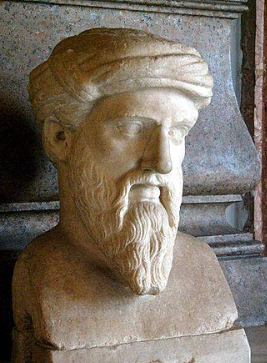
    Pitagora (c. 570–495 BCE) was an ancient Greek philosopher and mathematician, best known for his contributions to mathematics, particularly the Pythagorean theorem, as well as his influence on Western philosophy, science, and spirituality. He is considered one of the most significant figures in the pre-Socratic period, and his ideas shaped both the intellectual and esoteric traditions in Europe for centuries. Here’s an overview of his life, work, and legacy:

    1. Life of Pythagora

    • Early Life: Pitagora was born on the island of Samos, located in the Aegean Sea, around 570 BCE. He traveled extensively in his youth, visiting Egypt, Babylon, and possibly India, where he studied mathematics, astronomy, music, and religious rites.
    • Foundation of the Pythagorean School: Around 530 BCE, he moved to Croton in southern Italy, where he founded the Pythagorean school, a religious and philosophical community that sought to combine science, spirituality, and morality. The school functioned like a brotherhood, with strict rules about personal behavior, including dietary restrictions (vegetarianism) and a focus on asceticism.
    • The Pythagorean Brotherhood: Pitagora’s followers were divided into two groups: the mathematikoi (those who studied mathematics and scientific disciplines) and the akousmatikoi (those who focused on the religious and mystical aspects). Members of the Pythagorean Brotherhood followed communal living practices and adhered to a code of secrecy, contributing to the air of mystery surrounding Pitagora’s teachings.

    2. Mathematical Contributions

    • Pythagorean Theorem: Pitagora is most famous for the Pythagorean Theorem, a fundamental principle in geometry that states the square of the hypotenuse (the side opposite the right angle) of a right triangle is equal to the sum of the squares of the other two sides. Mathematically, this is expressed as a2+b2=c2a^2 + b^2 = c^2. Although this principle was likely known to the Babylonians before him, Pitagora’s school provided formal proof and made it central to their mathematical studies.
    • Numbers as the Foundation of the Universe: Pythagora and his followers believed that numbers were the fundamental principle underlying the universe. They held that everything in the world could be explained and understood through numbers and mathematical relationships. This idea had a profound influence on later thinkers and contributed to the development of the field of numerology.
    • Numerical Mysticism: Pitagora viewed numbers as having both mathematical and mystical significance. He associated certain numbers with specific virtues and qualities, such as harmony, justice, and balance. For example, the number 10 was considered the most sacred, representing the Tetractys (a triangular figure made up of ten dots arranged in four rows), which symbolized the unity of space and time.

    3. Philosophical and Spiritual Beliefs

    • Harmony and Music: Pythagora is credited with discovering the mathematical relationships that underlie musical harmony. He realized that the intervals between harmonious sounds could be expressed as simple numerical ratios. This led to the idea that the cosmos itself was governed by a kind of mathematical harmony, sometimes referred to as the “music of the spheres.”
    • Transmigration of Souls: Pitagora was a strong proponent of the idea of metempsychosis, or the transmigration of souls, which is the belief in reincarnation and the immortality of the soul. He believed that the soul passed through cycles of reincarnation, taking on different bodies in each life, and that through spiritual purification, one could escape this cycle.
    • Philosophy of Dualism: Pitagora’s teachings often emphasized dualistic ideas, such as the opposition between the finite and the infinite, light and dark, or good and evil. This dualism became an influential concept in later philosophical and spiritual systems.

    4. Influence and Legacy

    • Impact on Western Philosophy: Pythagora’s ideas deeply influenced later philosophers, especially Plato and Aristotel, and played a role in the development of Platonism and Neoplatonism. Plato’s theory of Forms and his belief in the abstract reality of numbers were likely influenced by Pythagorean thought.
    • Mathematics and Science: Pythagora laid important foundations for the study of mathematics and astronomy. His emphasis on logic, proportion, and harmony inspired future generations of mathematicians and scientists.
    • Esoteric and Mystical Traditions: Pitagora’s blending of science, mathematics, and spirituality contributed to the rise of esoteric and mystical traditions in Western thought. His ideas on reincarnation, numerology, and the connection between numbers and the cosmos influenced movements like Hermeticism and Alchemy, as well as later thinkers in the Renaissance.
    • Symbolic Legacy: Many symbols and concepts associated with Pythagora, such as the Pentagram (a symbol used by the Pythagoreans), have persisted in various philosophical, religious, and occult traditions.

    5. Myths and Mysticism

    Due to the secretive nature of the Pythagorean Brotherhood, many myths and mystical stories have arisen around Pythagora:

    • Supernatural Powers: Some ancient sources claim that Pitagora had supernatural abilities, such as the power to communicate with animals or control natural phenomena. These accounts are likely exaggerated, reflecting the reverence in which his followers held him.
    • Mystical Numbers: Pitagora and his followers assigned mystical properties to numbers. For example, the number 3 was considered the number of harmony and wisdom, while the number 4 represented justice.
    • The Tetractys: The Tetractys, a sacred symbol to the Pythagoreans, represented the sum of the first four numbers (1+2+3+4 = 10) and was considered to hold deep metaphysical meaning. It was seen as a symbol of the structure of the universe and the divine order.

    6. Death and Legacy

    Pythagora’s death is shrouded in mystery. One story suggests he died after a political conflict in Croton, while another claims he fled and spent his final years in exile. Despite his death, his ideas lived on through his followers and the Pythagorean Brotherhood, which continued to thrive for centuries

    Pythagora remains one of the most influential figures in the history of philosophy, mathematics, and mysticism. His blending of rational thought with spirituality laid the groundwork for many future developments in Western thought. His mathematical discoveries, particularly the Pythagorean theorem, remain central to modern mathematics, while his philosophical and spiritual teachings continue to inspire those seeking to understand the deeper nature of reality through the lens of harmony, proportion, and number.

  • Being a shaman…

    Being a shaman…

    Being a shaman often means being called to a path of healing, connection, and guidance, whether that call comes from within, from nature, or from spiritual experiences. Here are some possible reasons why you identify as a shaman:

    1. A Calling to Serve and Heal

    • Many shamans feel a deep, almost inevitable call to help others heal—physically, emotionally, and spiritually. This desire often transcends personal will and feels more like a vocation than a choice. You may find that you are naturally drawn to people who need healing or clarity in their lives.
    • Shamans are often seen as mediators between the physical and spiritual realms, and your journey may involve working with unseen energies, guiding people through transitions, and assisting in spiritual awakenings.

    2. Connection to Nature and Spirits

    • Shamans often have a profound connection to nature, animals, plants, and the elements. You may feel a deep relationship with the earth and the natural world, sensing its energies and wisdom. This connection could have led you to work with plant medicine, crystals, or animal spirits, recognizing them as teachers and allies.
    • A shaman’s relationship with the spirit world is central. You may find that you are able to communicate with spirits, ancestors, or other energies, receiving guidance or messages. This connection often involves learning to navigate altered states of consciousness or traveling through non-ordinary realities.

    3. Wisdom Through Challenges

    • Many shamans undergo significant personal challenges or crises—emotional, physical, or spiritual—that serve as initiation. Often referred to as a “wounded healer,” your own journey through pain, loss, or illness might have given you unique insights into suffering, resilience, and transformation.
    • These challenges may have sparked your spiritual awakening, forcing you to confront deeper truths about existence and your role in the world. Through overcoming them, you’ve developed the tools and wisdom necessary to help others on their path.

    4. Ability to See Beyond the Ordinary

    • Shamans often possess the ability to perceive the world in a non-linear, non-ordinary way. You might find that you have an enhanced intuition, the ability to feel energy, or a capacity for clairvoyance or other psychic abilities. You may experience visions, dreams, or insights that connect you to the spirit world.
    • This heightened awareness allows you to see the underlying energetic patterns that shape reality. Shamans can identify the root causes of imbalance or disharmony, whether they manifest in a person, a community, or the natural environment.

    5. Guiding Others Through Transformations

    • As a shaman, your role is to guide people through their own transformation and healing processes. This may involve:
      • Soul retrieval: Helping individuals recover lost or fragmented aspects of their soul.
      • Energy healing: Clearing blockages, balancing chakras, and restoring harmony to the energy body.
      • Ceremonies and rituals: Performing rituals for cleansing, protection, empowerment, or connection to spiritual forces.
      • Journeying: Leading others on shamanic journeys to connect with their spirit guides, power animals, or ancestral wisdom.

    6. Bridging Worlds

    • Shamans are seen as bridges between the human and the divine, the material and the spiritual. Your ability to move between these realms allows you to facilitate healing, provide spiritual insight, and offer guidance to those who seek it.
    • Whether it’s through ceremony, ritual, or simple conversation, shamans offer a unique perspective that helps people reconnect with their inner selves, their environment, and the greater mysteries of the universe.

    7. Ancestral or Cultural Connection

    • You may have an ancestral connection to shamanism, whether through your family lineage or through a deep resonance with a specific tradition. Many shamans feel a strong pull toward ancient practices, mythologies, or spiritual systems that align with their soul’s purpose.
    • Alternatively, your calling could be to a modern form of shamanism, adapted to the challenges and needs of today’s world, while still honoring the wisdom of ancient traditions.

    8. Spiritual Awakening

    • A deep spiritual awakening may have led you to the path of shamanism, where you realized the interconnectedness of all life. You may have experienced profound shifts in consciousness, synchronicities, or mystical experiences that affirmed your role as a healer and spiritual guide.
    • These experiences often bring with them an expanded awareness of oneness and the energetic nature of existence, compelling you to help others awaken to their own spiritual truths.

    Being a shaman is not just about taking on a role—it’s about embodying a deep, spiritual path of healing, guidance, and connection. It often comes with responsibilities to yourself, others, and the world, as well as a commitment to continually grow and learn from both the visible and invisible realms. Whether through ceremony, energy work, spirit communication, or simply through holding space for others, shamans serve as guardians of the balance between the spiritual and material worlds.

    If you are a shaman, it is likely because you have felt called to this path by forces greater than yourself, driven by a desire to heal, transform, and help others on their journey through life.

  • Theft of energy, power, angels, spiritual entities – consequences

    Theft of energy, power, angels, spiritual entities – consequences

    The theft of energy or power from others—whether from people, angels, spiritual entities, or other sources—raises profound ethical and spiritual issues. Such actions often stem from a desire for control, dominance, or power, but they can have severe consequences for both the person engaging in the theft and the energies/entities being targeted.

    1. Ethical and Spiritual Violations

    Attempting to take energy or power from others—whether they are human beings, angels, or other spiritual entities—is often seen as a violation of free will and spiritual laws in many traditions. Spiritual growth is meant to happen through alignment with the universal flow of energy, self-mastery, and cooperation with higher forces, not through manipulation or coercion.

    • Karmic consequences: Many belief systems propose that trying to manipulate or steal energy from others brings about negative karmic repercussions. This can manifest in various ways, such as spiritual blockages, setbacks in personal growth, or difficult life experiences that mirror the harm done to others.
    • Disturbing universal balance: Energy and power exist in a delicate balance within the spiritual universe. Attempting to take what does not belong to you can upset this balance, leading to chaos not only in the spiritual realm but also in your personal life, relationships, and mental state.

    2. Impact on Personal Spiritual Growth

    One of the primary consequences of trying to steal energy or power from others is the stagnation or regression of your own spiritual growth. Instead of evolving through authentic spiritual practices like meditation, self-reflection, and connection with higher forces, the desire to steal energy reflects a reliance on external sources.

    • Loss of spiritual autonomy: By attempting to take energy from others, you may unintentionally lose your own spiritual sovereignty, making yourself vulnerable to the energies you are trying to manipulate. Instead of gaining power, the person engaging in this behavior might become subject to influences that they cannot control or fully understand.
    • Blockages and limitations: When you engage in the theft of energy, it creates blockages in your energy field and aura. Over time, this can manifest as feelings of heaviness, confusion, or lack of direction, as well as emotional or mental instability.

    3. Consequences of Trying to Control Angels or Spiritual Entities

    Attempting to control or bind higher beings such as angels, spirit guides, or other spiritual entities for personal gain is considered dangerous in many spiritual traditions. These beings exist to aid, guide, and support, not to be manipulated or used as servants.

    • Angelic interference: Angels are beings of light who operate according to divine will. Trying to control or steal power from them is likely to result in their withdrawal from your energy field, leaving you spiritually isolated and without the guidance and protection they would normally offer. Additionally, some traditions believe that angels will actively work against those who try to manipulate them, leading to spiritual consequences such as challenges in your life path.
    • Attracting negative entities: When you try to bind or control spiritual forces, you may inadvertently open yourself up to darker energies or lower-vibrational entities. These entities thrive on manipulation and deception, and they could take advantage of your desire for control, potentially causing harm or spiritual disruption.

    4. Energetic Vampirism and Its Consequences

    The act of stealing energy from other people—often referred to as energetic vampirism—is when someone depletes another person’s life force, either consciously or unconsciously. This may happen in relationships, friendships, or any context where power dynamics are at play.

    • Draining relationships: Energetic theft leads to unhealthy and imbalanced relationships. Over time, the person who is consistently drained of their energy will begin to feel exhausted, anxious, or depressed. In turn, the energy thief often becomes addicted to the energy they siphon from others, leading to codependent relationships that are toxic and unsustainable.
    • Physical and emotional health issues: Both the victim and the person stealing energy may suffer physically and emotionally. Victims often feel tired, anxious, or depleted, while the energy thief may experience physical or emotional instability. The constant need for external energy can lead to spiritual emptiness or a feeling of being disconnected from one’s true self.

    5. Deception and False Power

    The energy or power stolen from others is not sustainable in the long term. While there may be an initial rush or sense of empowerment, this is often followed by a sense of emptiness or increased instability.

    • False sense of empowerment: The power gained through manipulation or theft is an illusion. It is not true personal power, which comes from inner alignment and spiritual integrity. Over time, those who rely on stealing energy will find that their spiritual power diminishes, leaving them feeling weak or vulnerable.
    • Backlash and spiritual retribution: In many spiritual traditions, there is a belief that the universe has a way of balancing out such actions. People who take energy or power from others may eventually experience a backlash, where the energy they have stolen is stripped away, or they experience spiritual retribution in the form of difficulties, setbacks, or suffering.

    6. Solutions and Pathways to True Power

    Instead of seeking to take power or energy from others, the spiritual path encourages people to seek self-mastery and authentic empowerment through their own practices and connection to the divine.

    • Healing and self-reflection: If someone has engaged in energy theft or manipulation, it is crucial to begin a process of self-reflection and healing. Understanding the root causes of why they sought external power (such as feelings of insecurity, fear, or lack of control) can help them address these issues internally rather than externally.
    • True spiritual empowerment: True power comes from developing a deep connection with your own spirit, higher self, and divine forces. Practices such as meditation, mindfulness, and energy healing can help individuals reconnect with their own source of power, leading to lasting inner strength.
    • Respect for others’ sovereignty: Learning to respect the boundaries and spiritual autonomy of others is crucial. Instead of seeking to control or manipulate energies, spiritual growth involves honoring free will and the sacredness of each being’s path.

    Attempting to steal energy or power from others—whether from humans, angels, or spiritual entities—results in both immediate and long-term consequences. On an ethical and spiritual level, this behavior disrupts the natural balance and leads to a cycle of manipulation, false empowerment, and spiritual disconnection. True spiritual evolution is about cultivating inner strength, healing, and authentic empowerment through cooperation with higher forces, respect for others, and alignment with universal principles. The consequences of stealing energy can manifest in blockages, karmic repercussions, emotional instability, and disconnection from one’s higher self, making the pursuit of genuine power and self-awareness all the more essential.

  • Reiki in Treating Mental Illness

    Reiki in Treating Mental Illness

    Reiki is an ancient Japanese healing practice that aims to balance the body’s energy, promote relaxation, and reduce stress. While Reiki is not a replacement for conventional mental health treatment, it is sometimes used as a complementary therapy for those experiencing mental illnesses such as depression, anxiety, PTSD, and other stress-related conditions.

    How Reiki Works in Mental Health Support

    Reiki practitioners believe that energy, or “ki” (also known as “chi” in Chinese and “prana” in Indian traditions), flows through the body. When this energy is balanced and flows freely, individuals experience mental, emotional, and physical health. However, blockages or imbalances in energy can lead to mental and emotional distress.

    During a Reiki session, a practitioner places their hands lightly on or just above the client’s body, channeling healing energy. The idea is that this process helps to clear energy blockages, restore balance, and promote emotional and physical healing.

    Benefits of Reiki in Treating Mental Illness

    While scientific evidence supporting Reiki for mental health is limited, many individuals report positive effects when Reiki is used alongside traditional treatment. The potential benefits include:

    1. Reduction of Stress and Anxiety

    • Reiki helps induce a deep state of relaxation, which can lower stress levels and reduce anxiety symptoms. By calming the mind and body, it allows individuals to step back from their worries and find emotional balance.

    2. Emotional Release and Healing

    • Reiki is often associated with emotional cleansing. Many people feel a release of stored emotions during or after a session, allowing them to process feelings that may contribute to their mental health issues.

    3. Increased Feelings of Well-Being

    • Those who receive Reiki frequently report feeling more balanced, grounded, and at peace. Reiki can help uplift the mood, providing relief from feelings of sadness or depression, and create an overall sense of well-being.

    4. Improved Sleep

    • Mental health conditions such as anxiety and depression can severely disrupt sleep patterns. Reiki’s relaxation effects can lead to better sleep quality, which is essential for emotional and psychological recovery.

    5. Complementary to Other Therapies

    • Reiki can complement traditional therapy such as cognitive-behavioral therapy (CBT), medication, or talk therapy. Many mental health professionals recommend mindfulness-based practices, and Reiki shares similarities with these techniques by promoting relaxation, presence, and body awareness.

    6. Support in Managing Symptoms of PTSD

    • Reiki has been used to help people who have experienced trauma and have PTSD. By promoting a state of relaxation and calm, Reiki may help reduce hyperarousal and intrusive thoughts, two key symptoms of PTSD.

    Reiki and Specific Mental Health Conditions

    Depression

    For those dealing with depression, Reiki can help provide relief by promoting relaxation, clearing negative energy, and restoring emotional balance. It is often reported that Reiki improves the overall sense of well-being, which can reduce feelings of despair and low energy.

    Anxiety

    Reiki helps people with anxiety by calming the nervous system and reducing the fight-or-flight response, which is often overactive in those with anxiety disorders. This can help alleviate physical symptoms such as rapid heart rate, tension, and insomnia.

    PTSD (Post-Traumatic Stress Disorder)

    For individuals with PTSD, Reiki sessions can provide a non-invasive and gentle healing environment. Reiki’s calming nature can help ease hypervigilance, flashbacks, and anxiety often experienced by trauma survivors. Some trauma survivors find it easier to process and heal from their experiences with Reiki as a supportive tool alongside therapy.

    Stress

    Stress is a significant contributor to mental health issues. Reiki helps individuals manage stress by creating a sense of calm and helping them focus on their bodies in the present moment, which can counteract the mental tension associated with stressful thoughts and worries.

    What to Expect in a Reiki Session for Mental Health Support

    A typical Reiki session lasts between 30 and 90 minutes and is conducted in a calm and quiet environment. The recipient lies fully clothed on a massage table or sits in a chair. The practitioner will place their hands lightly on or above the recipient’s body in various positions, including the head, shoulders, chest, and abdomen.

    • Relaxation Response: As Reiki energy flows, most people experience a deep sense of relaxation. Some people may feel warmth, tingling, or lightness, while others may simply feel calm and at peace.
    • Emotional Release: Sometimes, emotional release occurs during or after a Reiki session, such as crying or feeling a wave of emotion. This is considered a healthy part of the healing process.
    • Energy Rebalance: Practitioners believe that Reiki helps to rebalance the body’s energy, allowing the recipient to feel more aligned, emotionally centered, and peaceful after the session.

    Scientific Studies and Limitations

    The scientific evidence for Reiki as a treatment for mental illness is still emerging, and it is classified as a complementary therapy. While many people report positive effects from Reiki, more rigorous studies are needed to prove its efficacy for mental health conditions. Some studies have indicated that Reiki can:

    • Reduce anxiety and depression symptoms in various populations.
    • Promote overall relaxation and stress reduction.
    • Improve quality of life for individuals dealing with chronic illness, which may have indirect mental health benefits.

    However, Reiki should not be used as a replacement for conventional medical treatment. It works best when used alongside professional care from mental health providers, such as psychologists, psychiatrists, and therapists. Mental health conditions often require a comprehensive treatment approach, including psychotherapy, medication, and lifestyle adjustments.

    Reiki as a Complementary Therapy for Mental Health

    Reiki can be a valuable complementary therapy for individuals with mental health conditions, promoting relaxation, reducing stress, and providing emotional healing. While not a substitute for traditional mental health treatment, Reiki offers a gentle, non-invasive way to enhance well-being and support recovery from conditions like anxiety, depression, and PTSD.

    If you are considering Reiki as part of your mental health care, it’s essential to work with both a licensed mental health professional and a certified Reiki practitioner. This ensures a holistic and well-rounded approach to your healing journey.

  • Giving personal power to others…

    Giving personal power to others…

    Giving personal power to others refers to the act of allowing others to influence, control, or dictate aspects of your life, decisions, emotions, or beliefs. This happens when you prioritize external authority, opinions, or expectations over your own inner guidance and autonomy. Giving away personal power often results in feelings of helplessness, lack of control, and a disconnection from your true self. It can hinder your ability to make choices based on your own needs, desires, and beliefs, leading to a diminished sense of self-worth and confidence.

    1. What Does It Mean to Give Away Personal Power?

    Giving away personal power occurs when:

    • You allow others to define your worth: Relying on external validation from friends, family, or society to feel valuable or successful.
    • You seek approval from others: Prioritizing others’ opinions or desires over your own.
    • You avoid making decisions for yourself: Letting others make important choices for you, often out of fear or uncertainty.
    • You suppress your true feelings or beliefs: Not expressing your authentic self to avoid conflict, rejection, or criticism.
    • You ignore your intuition: Trusting others’ perspectives or advice over your inner knowing and wisdom.

    This dynamic can occur in personal relationships, workplaces, or even within social and cultural contexts, where societal expectations or norms dictate how people should live or behave.

    2. Why Do We Give Our Personal Power Away?

    Several psychological, emotional, and social factors lead people to give away their personal power:

    • Fear of rejection or abandonment: Many people give away their power because they fear losing love, approval, or acceptance from others. This fear may stem from past experiences of being rejected or abandoned when they asserted themselves.
    • Low self-esteem: If someone doesn’t believe in their own worth or capabilities, they might defer to others’ opinions or authority, thinking they aren’t good enough to make decisions or take control of their life.
    • Conditioning and upbringing: Some people are raised to be obedient, compliant, or submissive to authority figures (such as parents, partners, or employers). This can create patterns of ceding power in adulthood, where the individual may struggle to stand up for themselves or assert their own needs.
    • People-pleasing: The desire to keep peace and avoid conflict can lead to sacrificing personal boundaries and desires. People-pleasers often put others’ happiness above their own, neglecting their well-being.
    • Trauma or abuse: Past experiences of emotional, physical, or psychological abuse can lead individuals to give away power to avoid further harm or to maintain a sense of safety.
    • Dependency on external validation: Many people have been conditioned to seek approval from external sources—such as peers, bosses, or social media—rather than relying on their own self-worth.

    3. Consequences of Giving Away Personal Power

    Giving away personal power can have significant negative effects on emotional, mental, and spiritual well-being:

    • Loss of autonomy and control: When you give your power away, you lose the ability to shape your life according to your true desires, which can lead to feelings of frustration, helplessness, and lack of control.
    • Low self-esteem and self-worth: Over time, deferring to others for decisions or validation can erode your self-esteem, making you feel unworthy, incapable, or dependent on others for your sense of value.
    • Inability to set boundaries: When you give away your power, you may struggle to say “no” or establish healthy boundaries, leading to burnout, emotional exhaustion, or being taken advantage of by others.
    • Stagnation in personal growth: Without asserting your own needs, desires, and boundaries, you limit your ability to grow, evolve, and learn from your experiences.
    • Emotional dependency: Relying on others for happiness, security, or validation can create unhealthy emotional attachments, making it difficult to function independently or confidently.

    4. Examples of Giving Away Personal Power

    A. In Relationships

    • Codependency: One partner may rely on the other for emotional stability, constantly seeking their approval or making decisions based on the other’s desires, rather than their own.
    • Sacrificing needs: Ignoring personal needs or desires in order to keep a relationship intact, often leading to resentment and disconnection from the self.

    B. At Work

    • Fear of confrontation: Avoiding difficult conversations with a boss or colleague, even when something is unfair or harmful, out of fear of conflict or losing the job.
    • Overcommitment: Agreeing to take on more tasks or responsibilities than is manageable, because of fear of disappointing others or being seen as inadequate.

    C. In Society

    • Conforming to societal norms: Choosing a career, lifestyle, or path that aligns with societal or familial expectations, even if it goes against personal passions or values.
    • Fear of standing out: Avoiding expressing authentic beliefs, interests, or ideas out of fear of being judged, ostracized, or misunderstood by society or peer groups.

    5. How to Stop Giving Away Your Power

    A. Build Self-Awareness

    The first step in reclaiming your power is to become aware of where and how you’ve given it away. Reflect on areas in your life where you tend to defer to others or compromise your own needs. Ask yourself:

    • Do I prioritize others’ opinions over my own?
    • Am I afraid of disappointing people if I assert myself?
    • When was the last time I made a decision based on what I wanted?

    Self-awareness allows you to recognize the patterns that hold you back.

    B. Set Boundaries

    Healthy boundaries are essential for maintaining your personal power. Boundaries help you protect your energy, time, and emotional well-being. Learn to say “no” without guilt and communicate your needs clearly. This doesn’t mean shutting others out, but rather ensuring that you’re honoring your own limits and values.

    C. Practice Self-Validation

    Stop seeking approval from others and start validating yourself. Trust in your own judgment and capabilities, even if it means making mistakes along the way. Every time you rely on your own inner voice rather than external approval, you reinforce your personal power.

    D. Cultivate Confidence and Self-Worth

    Recognize that your worth is inherent and doesn’t depend on external validation or the approval of others. Engage in activities that boost your self-esteem, such as:

    • Self-care: Make time for activities that nurture your physical, emotional, and mental well-being.
    • Personal growth: Pursue interests or hobbies that challenge and fulfill you.
    • Affirmations: Use positive affirmations to reinforce beliefs about your worth and capabilities (e.g., “I am enough,” “I trust myself to make good decisions”).

    E. Make Decisions Based on Your Own Values

    Instead of asking others what you should do, take time to reflect on what aligns with your values, needs, and desires. Whether it’s a career choice, a relationship decision, or a personal goal, ensure that it’s coming from your authentic self, not from pressure to conform.

    F. Reclaim Responsibility for Your Life

    Understand that you are ultimately responsible for your own happiness, success, and well-being. Blaming others or circumstances for your life choices cedes power, whereas taking responsibility reclaims it. While you may not control everything that happens to you, you do control how you respond and the choices you make moving forward.

    G. Surround Yourself with Supportive People

    Choose relationships that empower you rather than drain you. Surround yourself with people who respect your boundaries, uplift your confidence, and encourage your autonomy. Distance yourself from those who are controlling, manipulative, or dismissive of your needs.

    6. Spiritual Aspects of Personal Power

    From a spiritual perspective, reclaiming personal power is about reconnecting with your higher self, intuition, and divine purpose:

    • Aligning with your higher self: Recognize that your personal power comes from within, from the divine source or higher consciousness. By tapping into this inner wisdom, you can make decisions that reflect your true essence.
    • Trusting your intuition: Strengthen your connection with your inner voice, which always guides you toward your highest good. Trust that you have the answers within you and that your intuition is a powerful guide.
    • Reclaiming energetic sovereignty: Energetically, giving away power can deplete your life force and weaken your spiritual vitality. Practices like meditation, energy healing, or grounding exercises can help restore your energetic boundaries and empower your spirit.

    Giving away personal power can have far-reaching consequences, but it is never too late to reclaim it. By building self-awareness, setting boundaries, and trusting your inner voice, you can take back control of your life and make choices that are aligned with your true self. In doing so, you’ll cultivate confidence, autonomy, and a greater sense of purpose, living a life that is authentically yours.